
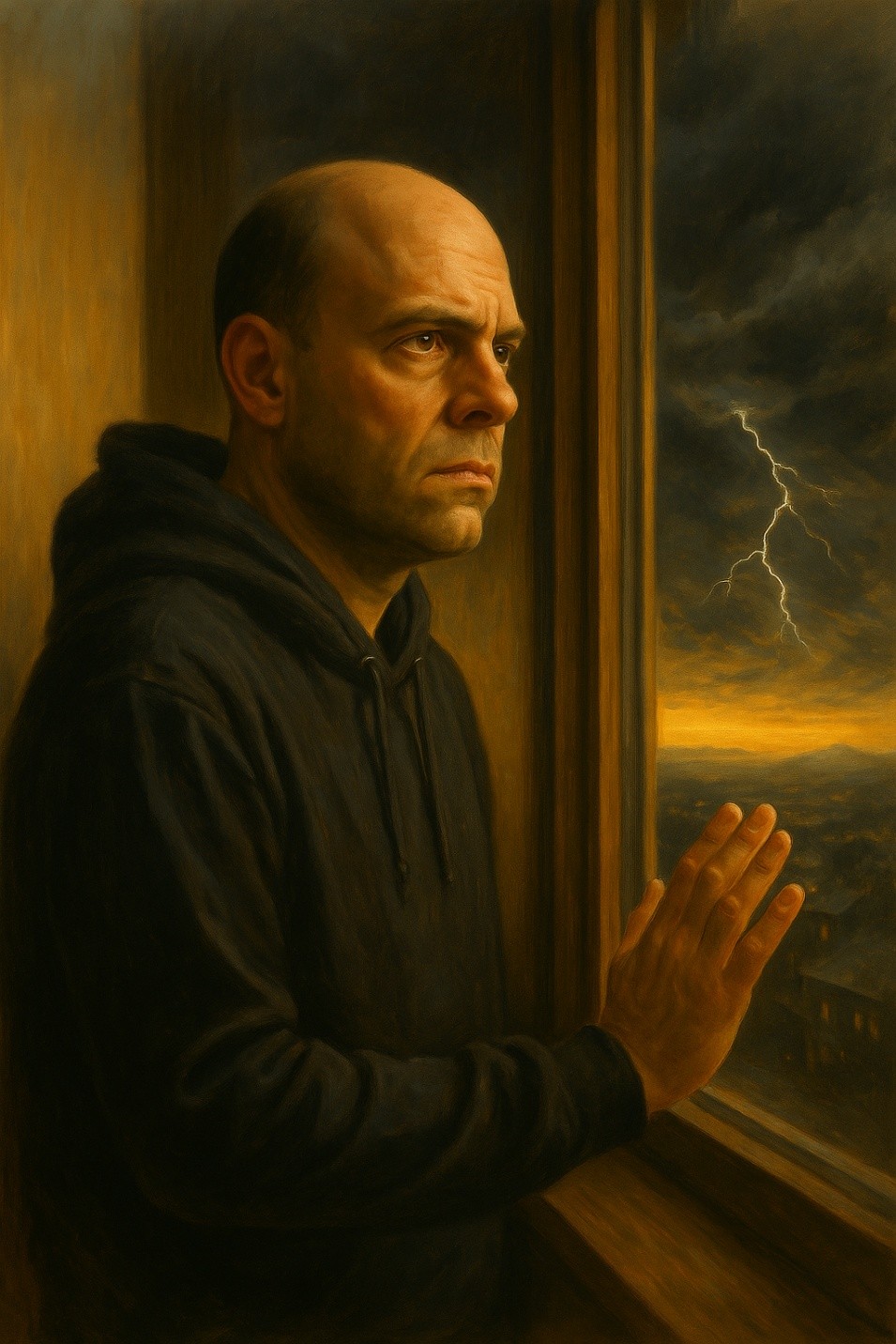
The world had not ended. The streets still filled each morning. Lights appeared in office towers, traffic crossed Montreal, and messages moved from screen to screen with the urgency of lives that had forgotten how to pause.
Yet beneath the movement, something essential had begun to disappear. People worked harder to protect less. They accumulated objects while losing time, connection and confidence in the future. The collapse did not announce itself as catastrophe. It arrived as exhaustion—and as the growing suspicion that the system was no longer capable of leading anyone home.
The future will not be measured by what we have, but by what we protect.
That realization could have produced despair. Instead, it opened a question: if the old definition of success was failing both humanity and the Earth, what would happen if we designed a new one?